Snacks & Savories Industry
Visual Impact That Survives High-Energy Processing
In snacks and savory foods, colour plays a powerful role in signaling freshness, flavour intensity, and product quality. From extruded snacks and coated nuts to seasoned chips and ready-to-eat savories, colour systems must perform under high heat, oil exposure, abrasion, and rapid production speeds.
Naisa Colour Co develops robust colour technologies designed to maintain appearance, adhesion, and consistency in demanding snack manufacturing environments.
Industry Challenges
Key Colour Challenges We Manage
High-Temperature Processing Stress
Colours engineered to tolerate frying, roasting, baking, and extrusion without degradation.
Oil & Fat Interaction
Formulations optimized to resist bleeding, migration, and shade distortion in oil-rich systems.
Seasoning Adhesion & Coverage
Colour systems designed to bond evenly with seasoning carriers and snack surfaces.
Abrasion & Handling Resistance
Colours that remain intact during tumbling, conveying, and packaging operations.
Our Solutions for Snacks & Savories Industry
- Colour solutions for powders, coatings, and seasoning blends
- Controlled colour strength for precise visual balance
- Stable appearance under oil, heat, and mechanical stress
- Scalable formulations suitable for pilot and continuous production
- Guidance on dosing, blending, and surface interaction
Quality, Safety & Compliance
Our colour systems are tested, traceable and compliant with relevant industry and global regulations.
Manufacturing Discipline & Control
Raw Material Integrity Checks
Application-Specific Performance Testing
Traceable Product Records
Regulatory Alignment Support
Packaging Protection & Identification
Suitable Products
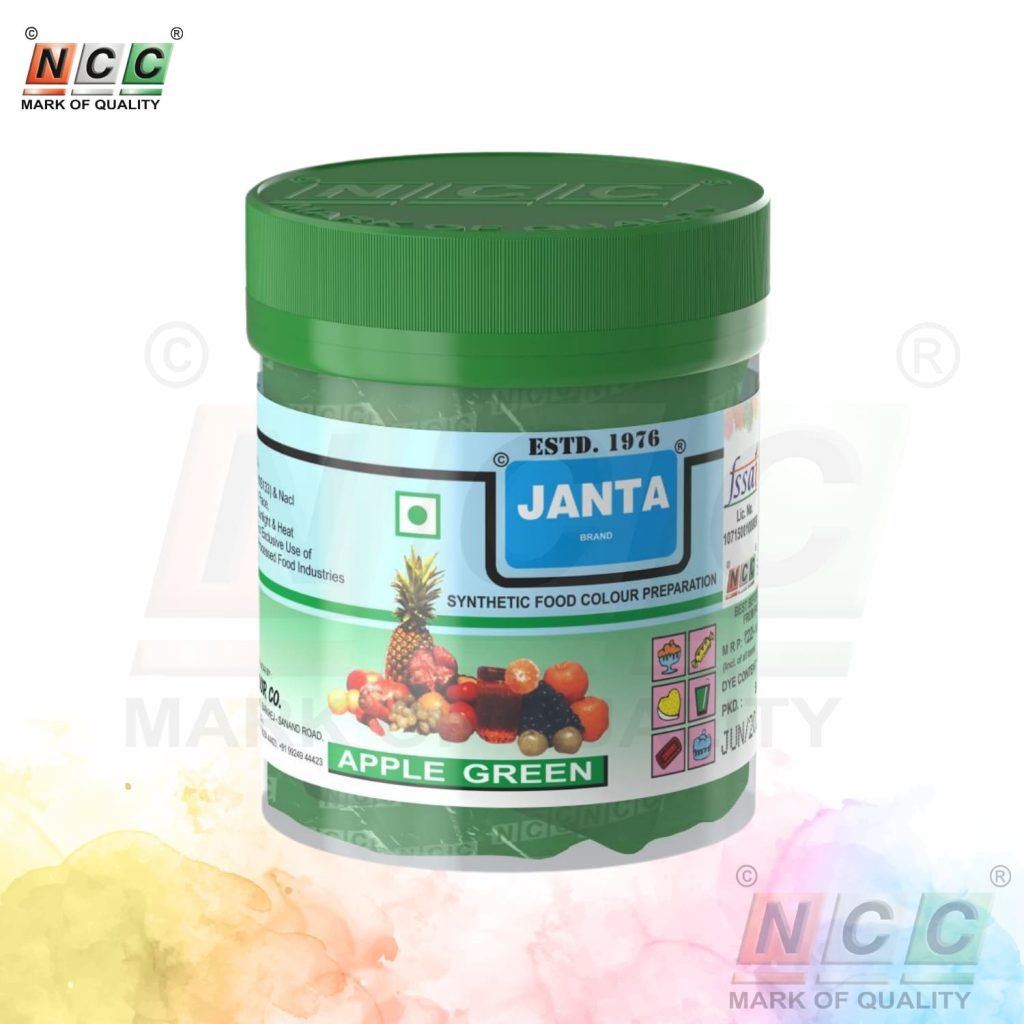
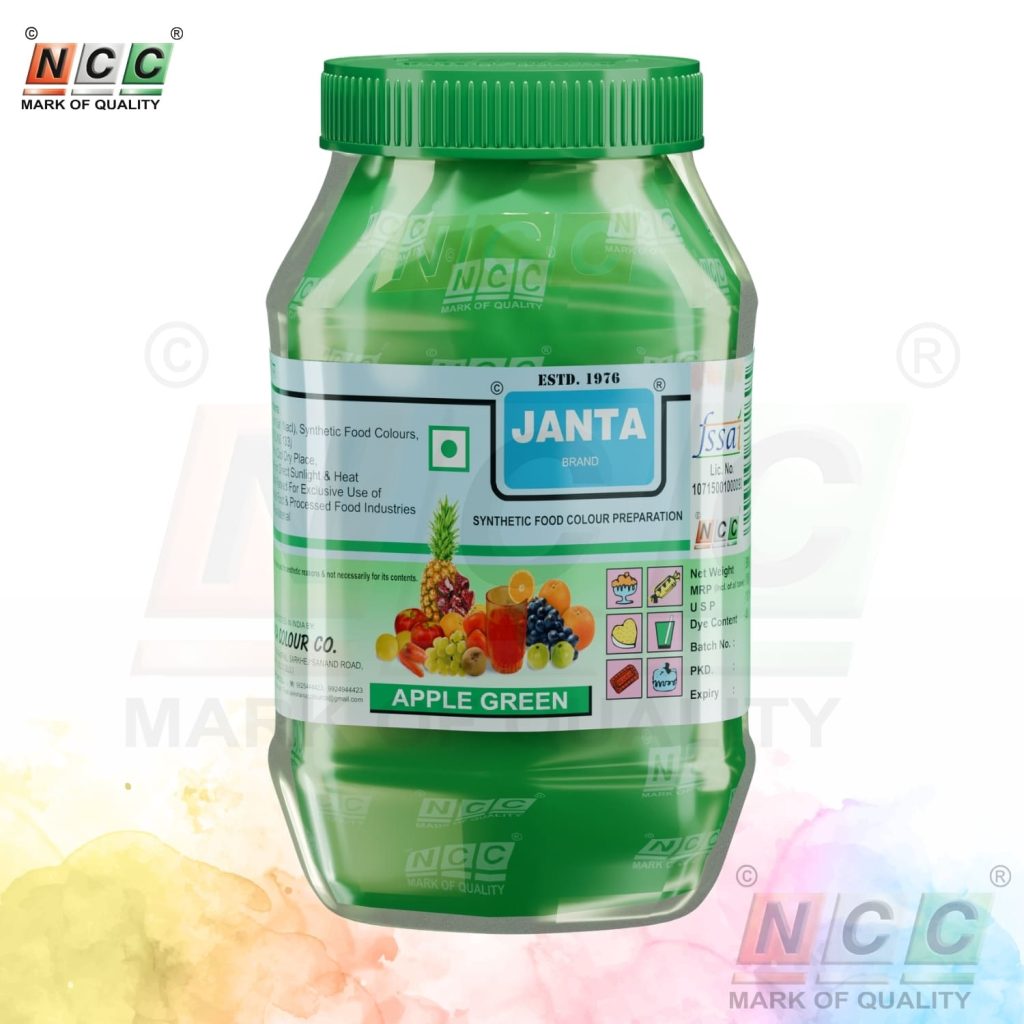
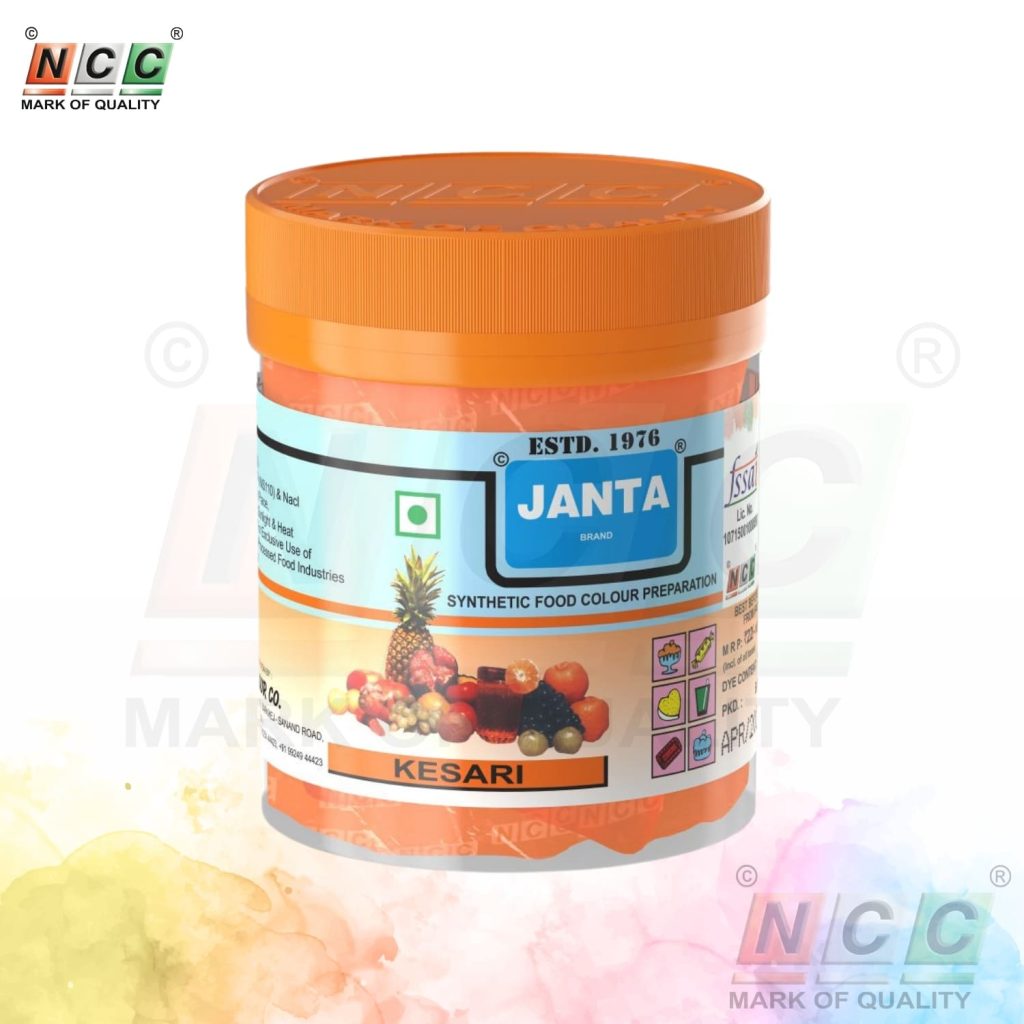
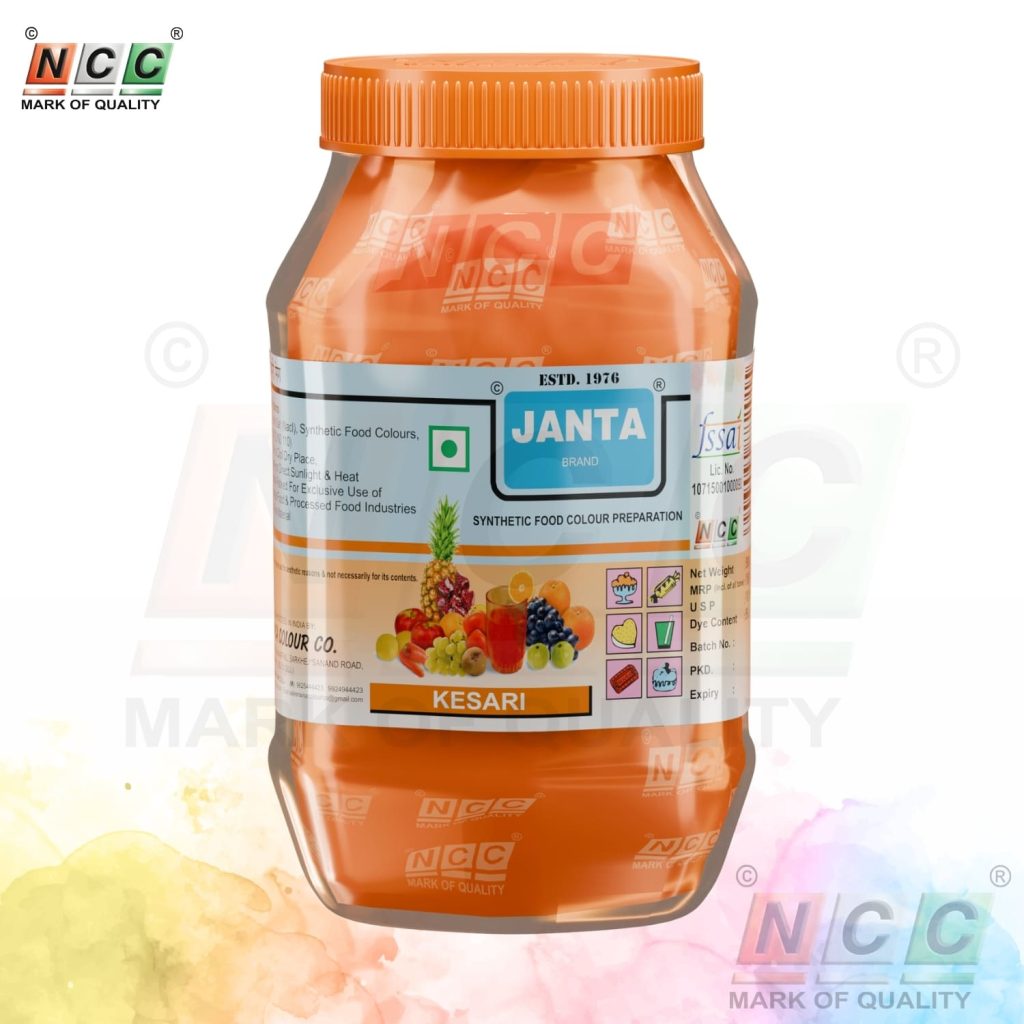
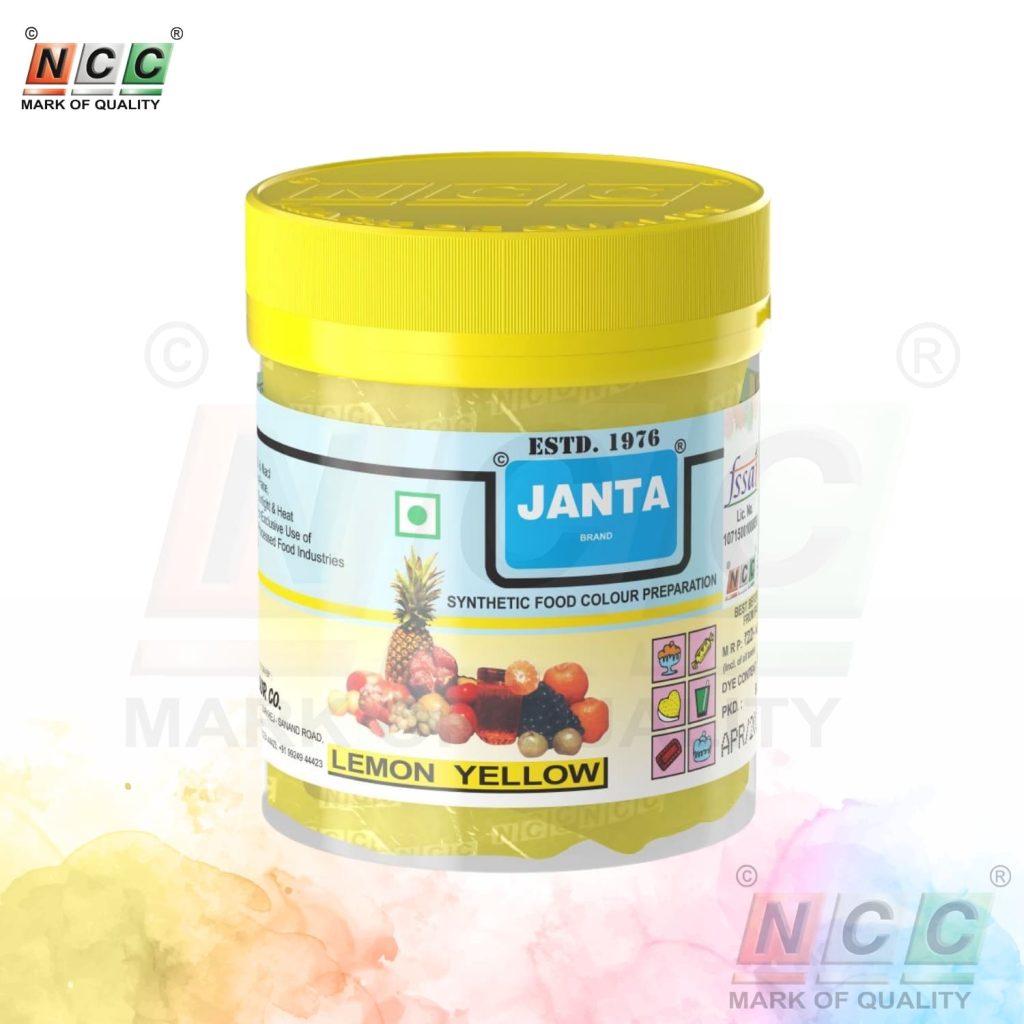
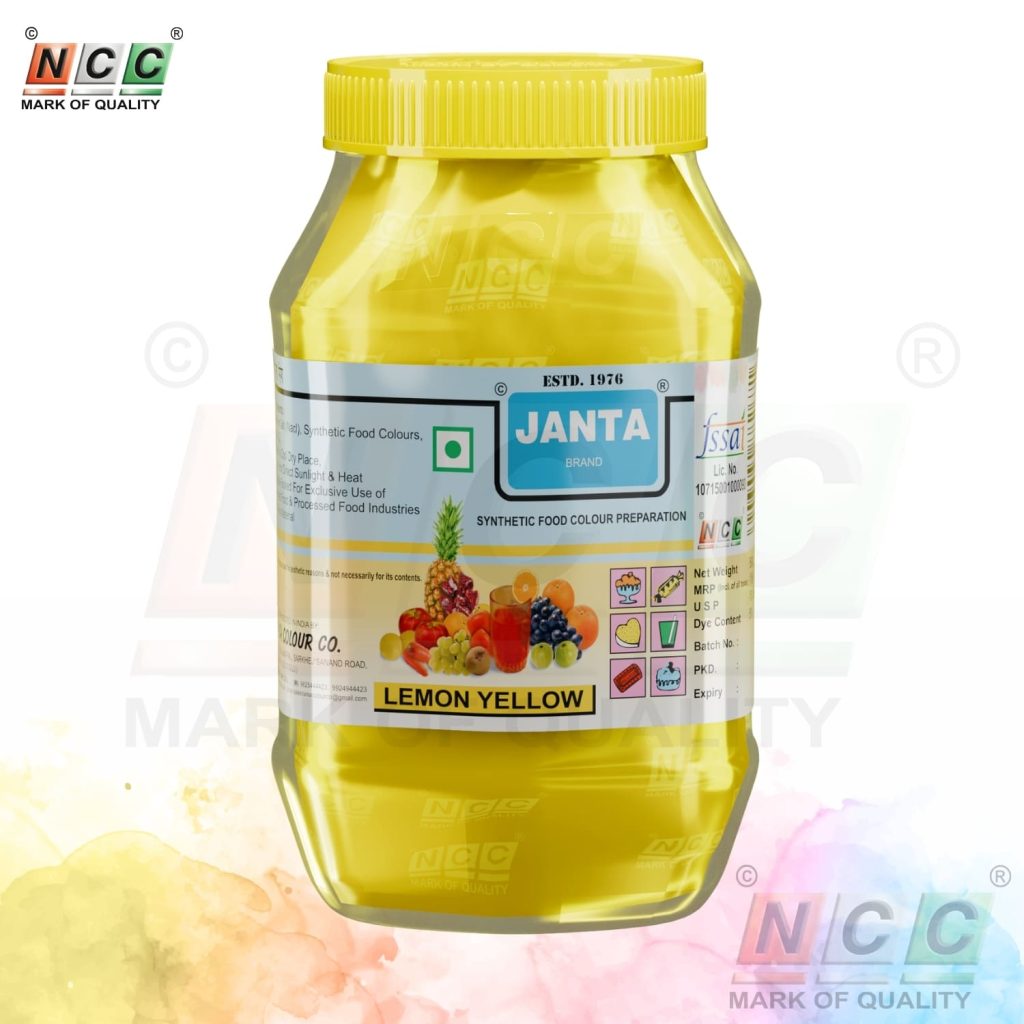
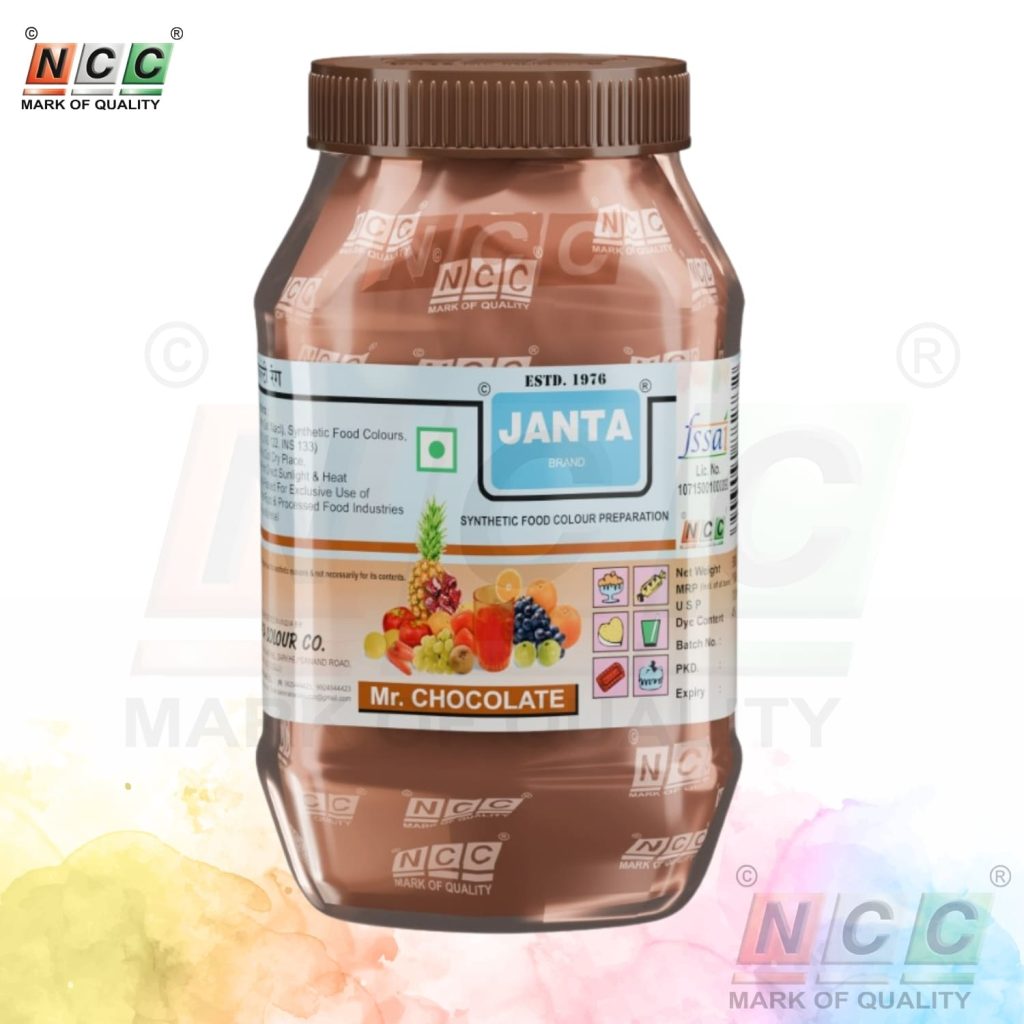
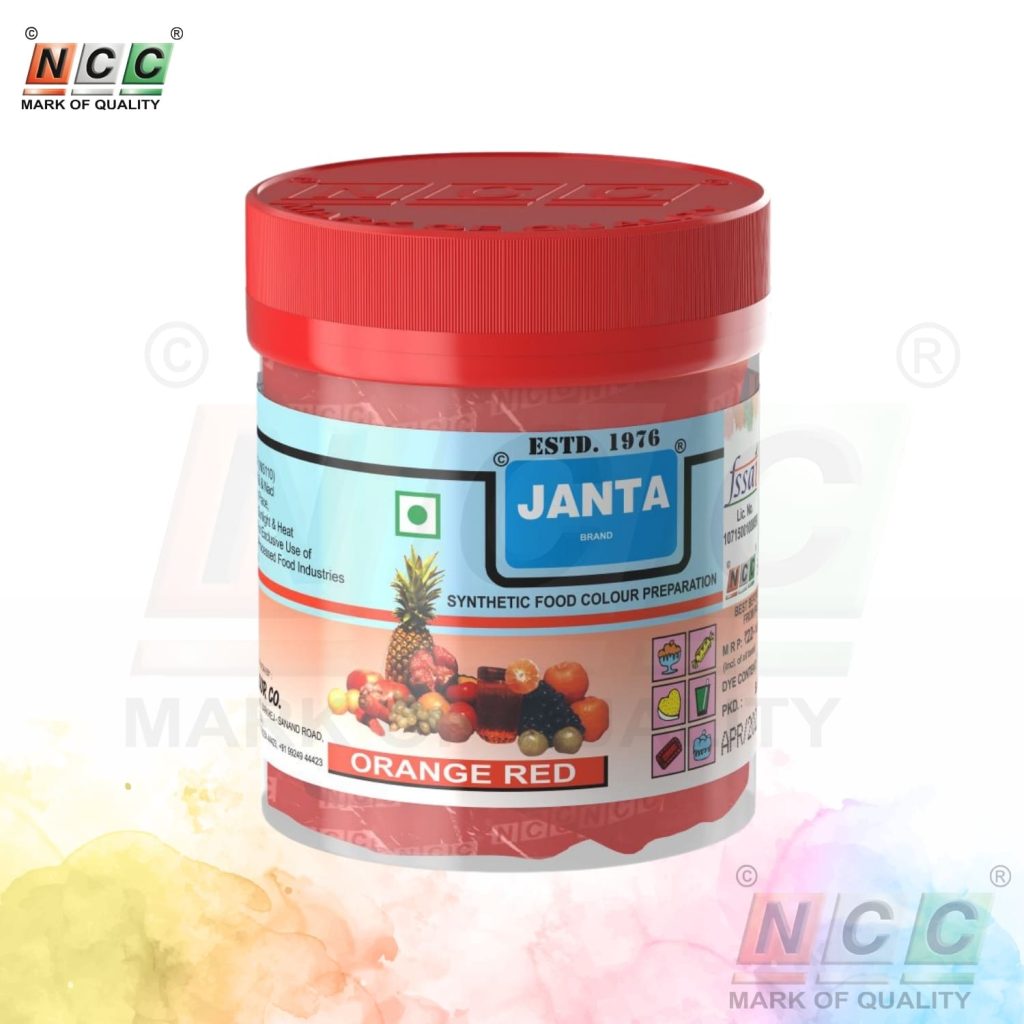
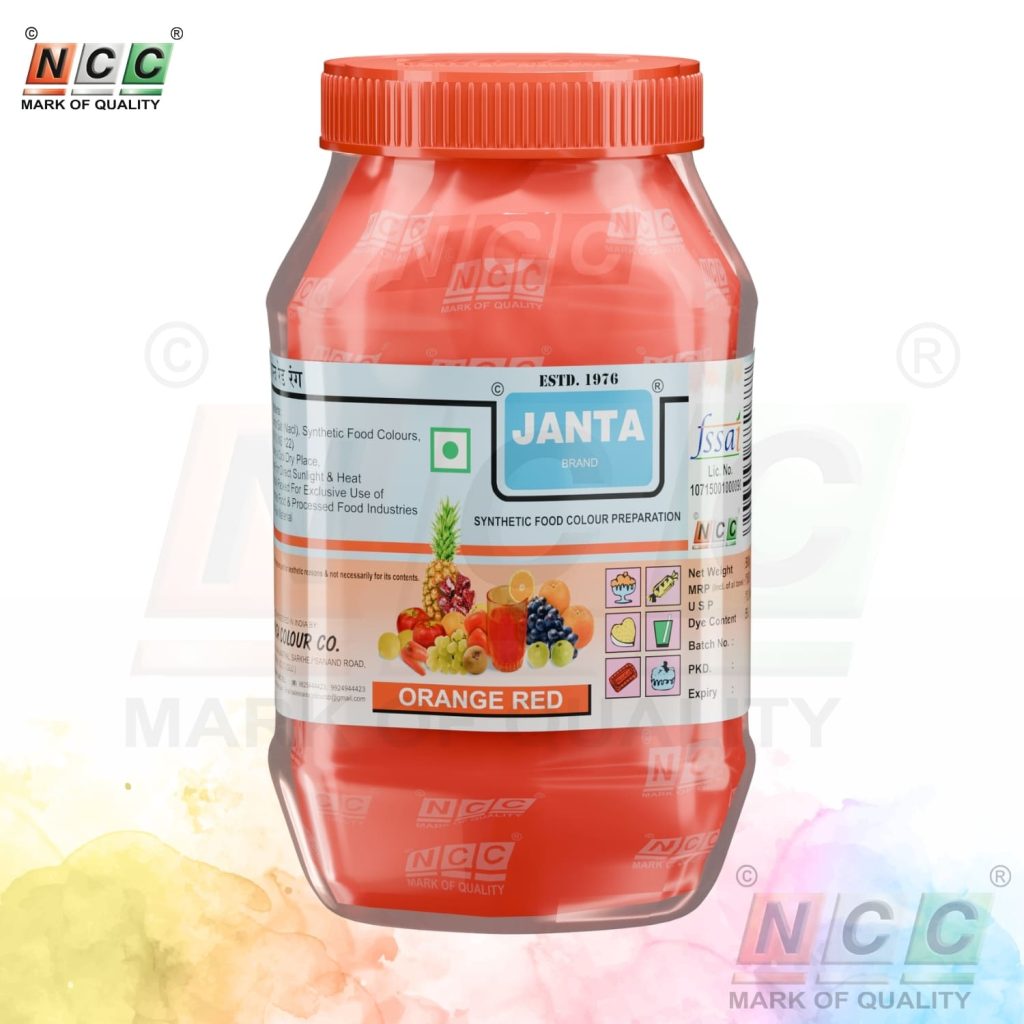
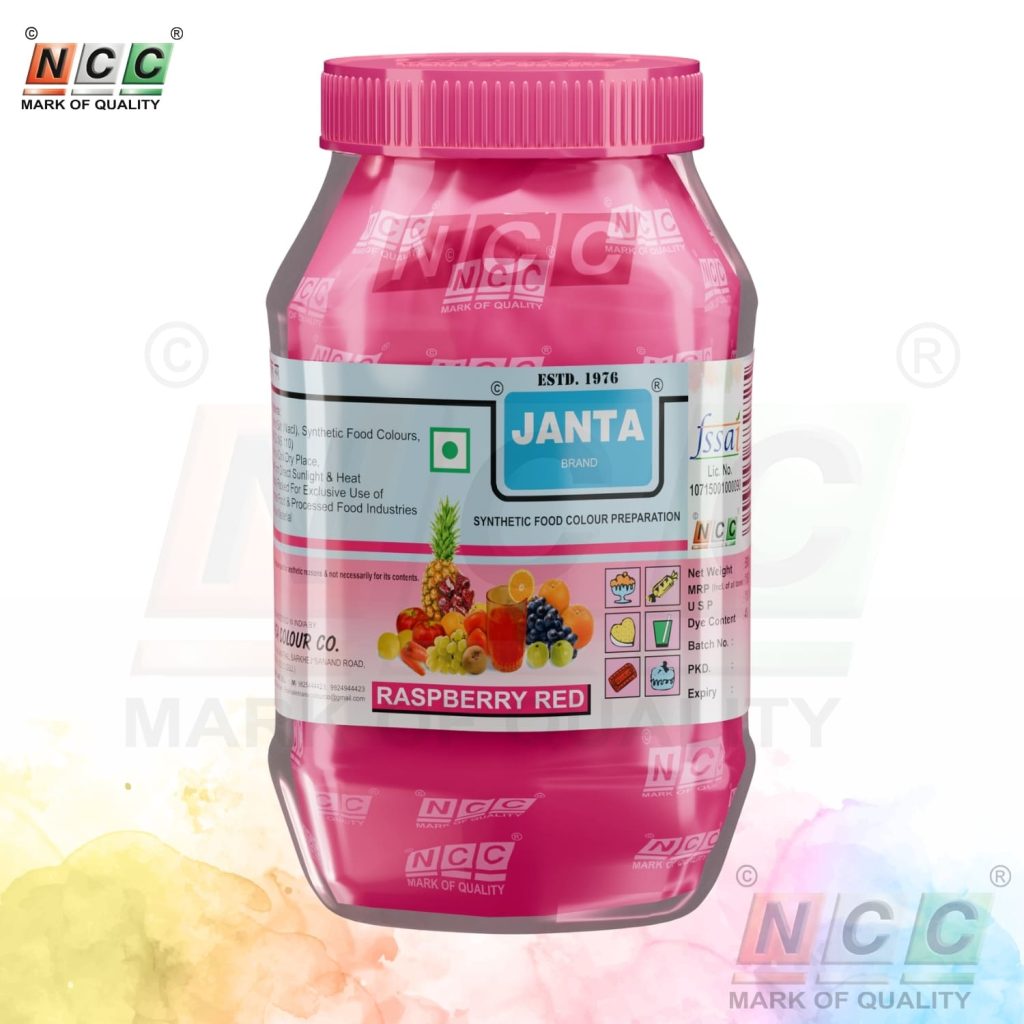
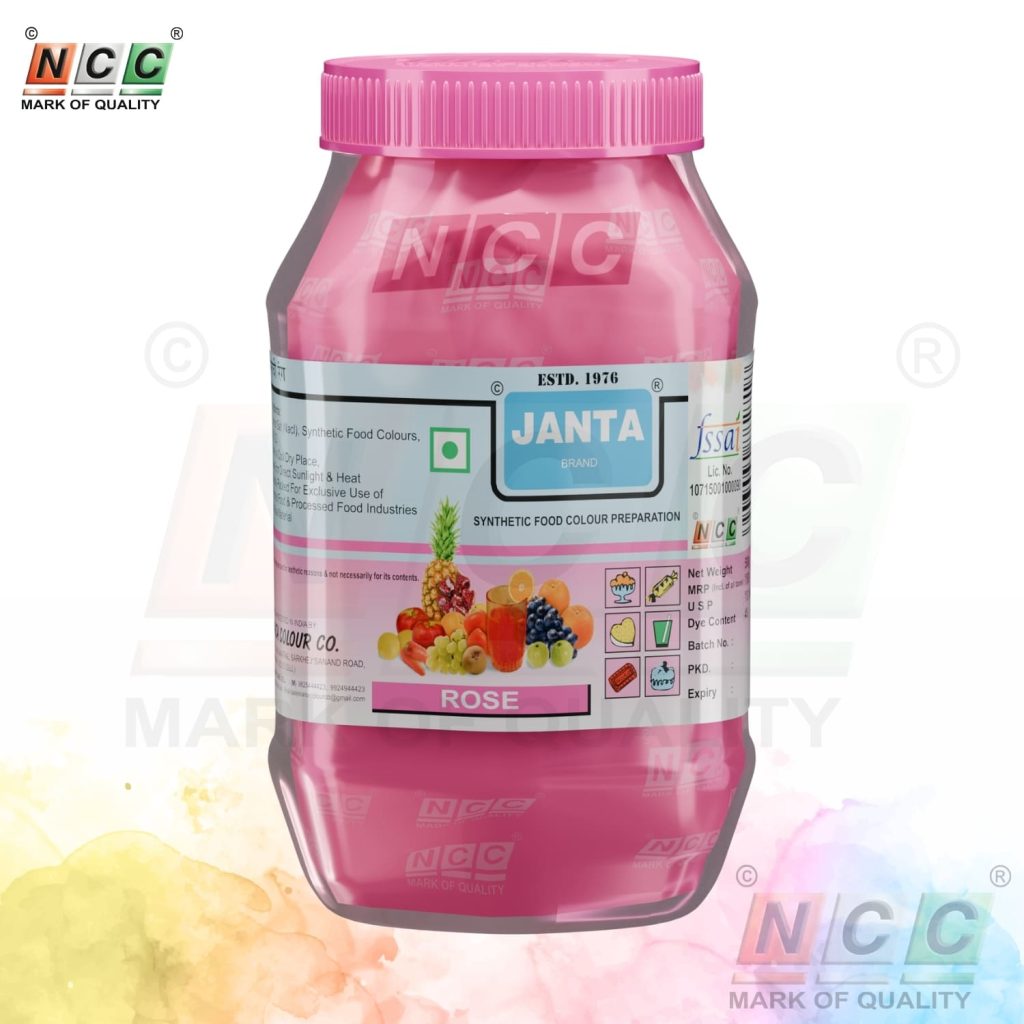
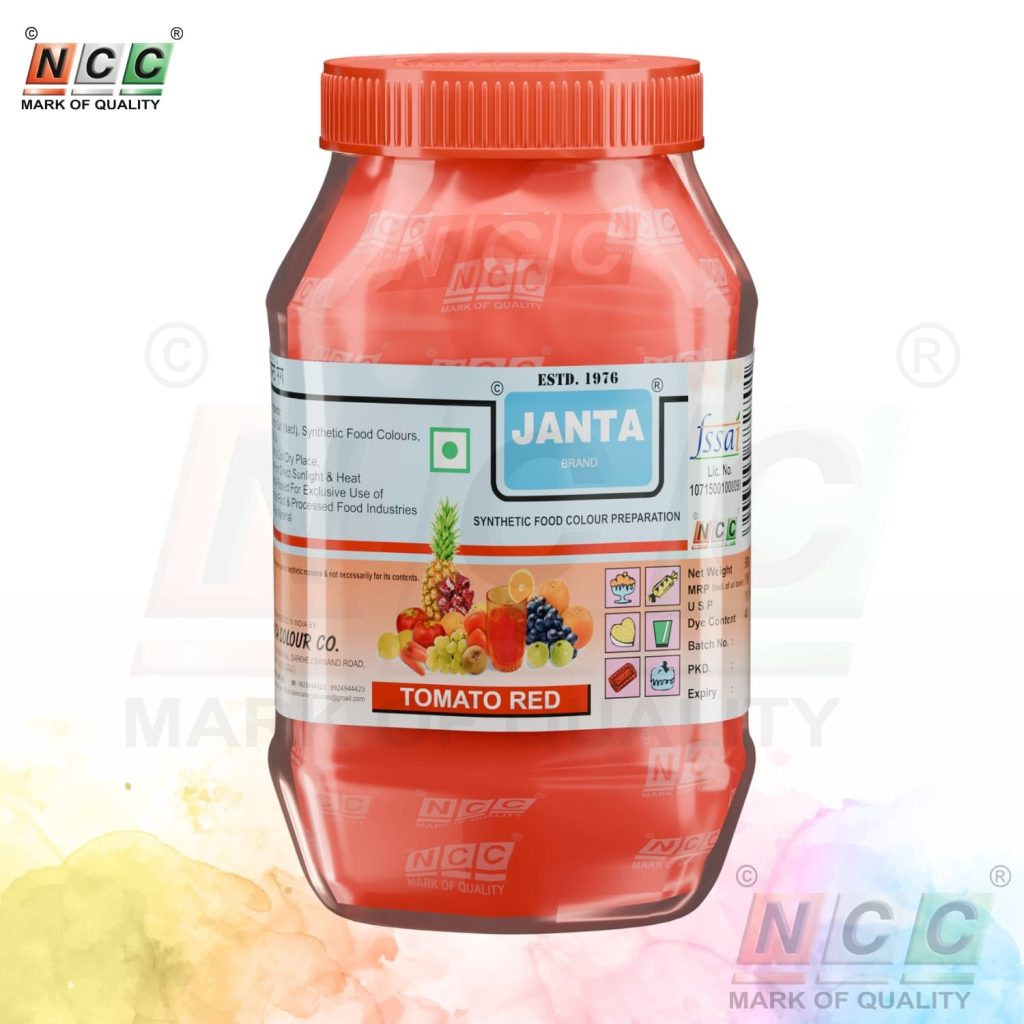
Products for Snacks & Savories
Why Choose Naisa Colour Co for Snacks & Savories?
- Experience with high-stress snack processing
- Colour systems designed for adhesion and durability
- Consistent visual results at scale
- Strong quality discipline and documentation
- Collaborative, problem-solving approach